


Quick answer
Yes, for most visitors — entry to the village costs 0 HKD and the lanes stay open 00:00–23:59 daily, so the only real cost is travel time. Tai O rewards anyone drawn to stilt houses, salted-fish shops and mangrove creeks. Those seeking polished attractions or arriving late, when shops shut, will find less to hold them.
Tai O's houses stand on stilts because the land beneath them was never dry. Generations of Tanka boat-dwellers moved from vessels to pile dwellings above the same tidal creeks, and the result is a settlement that reads as a floating village made permanent. Roughly 2,000 people still live there, which is the single most important fact for anyone asking is tai o worth visiting: this is a residential address at Tai O, Lantau Island, Hong Kong, not a curated attraction with an entrance gate. That distinction shapes everything a visitor encounters. The main lanes are working streets, lined with dried seafood racks, shrimp-paste vats fermenting in the open air, and stalls selling charcoal-grilled fish balls. Footbridges cross the creek where sampans idle before running out toward the Pearl River Delta channel, where pink dolphins are occasionally sighted. Behind the waterfront sit the Kwan Tai Temple, the Yeung Hau Temple and the salt-pan flats that once made the village prosperous. None of it is staged. Paint peels, corrugated roofs rust, laundry hangs where photographers would rather it did not — and for many travellers that unpolished texture is precisely the appeal. The honest counter-case matters too. A Tai O village tour is a half-day commitment from Hong Kong Island, and the village itself is compact enough to walk in two or three hours. Anyone expecting museums, viewing platforms or interpretive signage on the scale of the city's larger Lantau Island landmarks will find the offering modest. Summer humidity is heavy, and the narrow lanes concentrate crowds on weekend afternoons. Visitors who dislike the pervasive smell of fermenting shrimp paste should know this in advance rather than discover it on arrival. Weighed together, the verdict favours going. Tai O is the last place in Hong Kong where a pre-war fishing economy is visible in daily practice rather than in a display case, and the contrast with the towers across the water is the point of the trip. Pair it with the Tian Tan Buddha at Ngong Ping and the journey earns its length comfortably. The question of whether is tai o worth visiting ultimately turns on expectation: come for atmosphere, food and living heritage rather than for monuments, and the village delivers. Check the dedicated sections below for arrival timing, costs, transport and the etiquette that keeps a residential village hospitable to guests.
“Tai O is the last place in Hong Kong where a pre-war fishing economy is visible in daily practice rather than in a display case.”
When Is Tai O Worth Visiting to Avoid Peak Crowds?
The best arrival window is 09:00–16:00 to avoid peak weekend congestion and ensure sufficient time for exploration before evening shop closures. Visiting during this period provides a balance of operational business hours and manageable visitor density.
Weekday mornings
Low to moderate—
Arriving early on weekdays offers the quietest experience for exploring the stilt houses and local markets.
Mid-week (Tue-Thu)
LowModerate 20°C–28°C
These days see significantly fewer tourists compared to weekends, allowing for a slower pace.
Spring and Autumn
High on weekendsPleasant 18°C–26°C
March to May and October to November provide comfortable temperatures for walking the village paths.
Weekend afternoons
Very high—
This period experiences the heaviest foot traffic and may result in queues at local eateries.
Verdict: The best time to visit is Tuesday to Thursday between 09:00 and 16:00 during the months of April or October.
Key Landmarks That Make Tai O Worth Visiting
Tai O features a collection of unique cultural sites that offer insight into the traditional fishing village heritage of Lantau Island. Exploring these landmarks provides a perspective on the architecture and local customs that define the area.
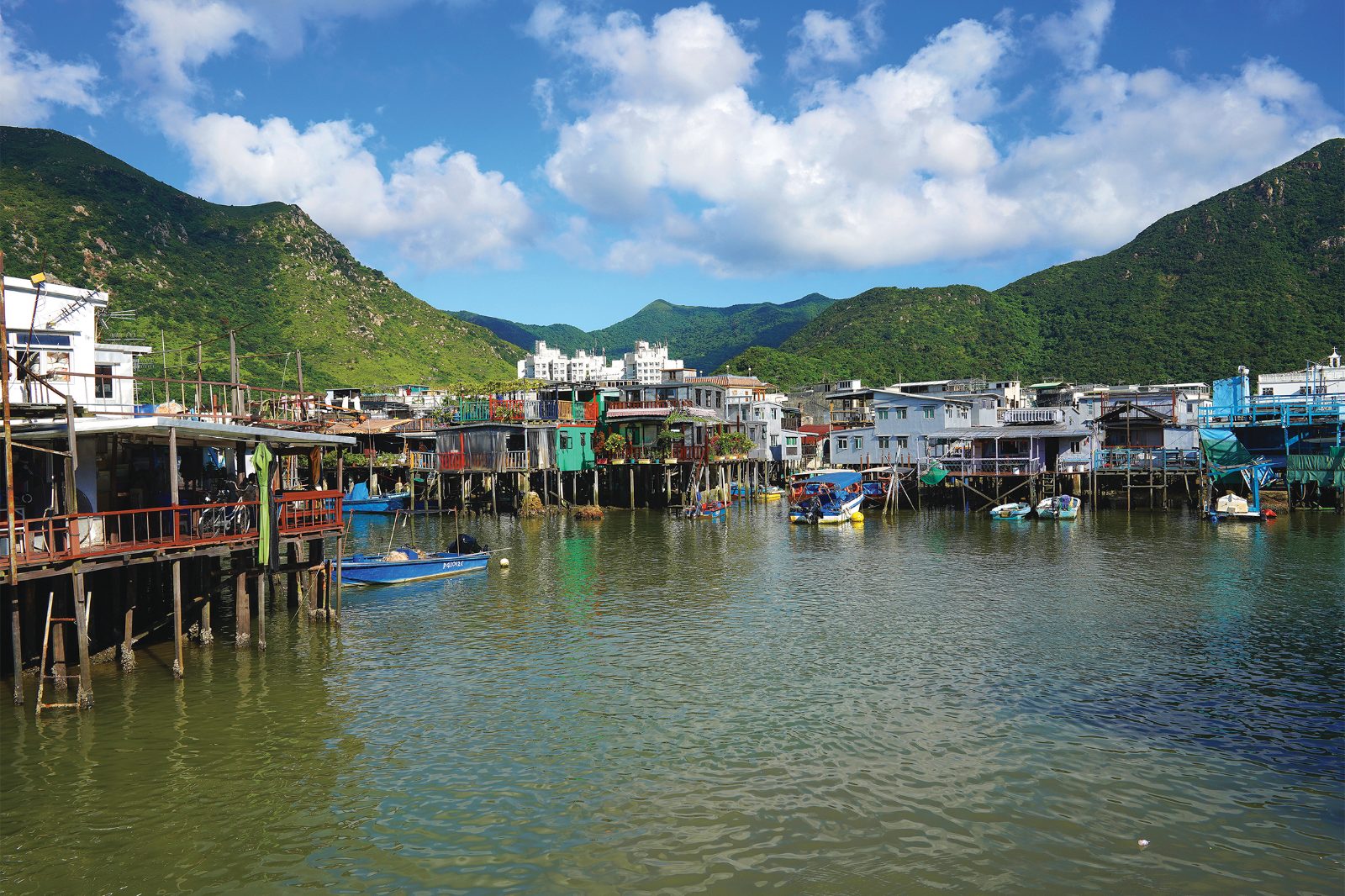
Stilt Houses
These wooden structures built on stilts over tidal flats are the iconic feature of the village. Visitors can observe the interconnected walkways and the way the houses adapt to the shifting water levels.
View from the pedestrian bridges for clear architecture angles.

Tai O Market
This traditional market street sells local dried seafood products and handmade snacks like egg waffles. It serves as the commercial center for the village community.
Walk the narrow alleys to find locally sourced dried goods.

Fu Shan Viewing Point
A short hiking path leads to this vantage point overlooking the South China Sea and the village coastline. It provides a distinct perspective of how the village sits within the surrounding landscape.
Hike the paved trail for panoramic views of the coast.

Tai O Heritage Hotel
Housed in a former marine police station, this building displays colonial-era architecture and historical renovations. The site is situated on a small hill and maintains many original structural elements.
Visit the veranda to see preserved historical architectural details.
How to Reach Tai O: Is It Worth Visiting for the Journey?
Tai O is located on the western coast of Lantau Island. The most common approach involves combining the MTR network with a connecting bus or ferry service.
MTR Tung Chung Line to Tung Chung Station, then Bus 11
Ferry from Central Pier 6 to Mui Wo, then Bus 1
Direct bus from Tung Chung Town Centre Bus Terminal
Essential Tips If You Decide Is Tai O Worth Visiting
Navigating Tai O requires understanding local rhythms to ensure a respectful and efficient visit.
Mind the residential privacy
Tai O remains an active residential area, so refrain from peering into open windows or photographing private interiors. Stick to public pathways and marked trails to avoid trespassing on stilt house platforms.
Carry small denominations of cash
While some shops accept digital payments, many small family-run stalls and vendors operate exclusively on a cash basis. Having coins and small notes readily available facilitates smoother transactions for street food and local crafts.
Bring sun and insect protection
The open nature of the village trails and mangroves provides limited shade during midday hours. Apply sunscreen and insect repellent before embarking on the village loops to ensure comfort throughout your walk.
Pack out your waste
Public trash receptacles are limited within the narrow stilt house corridors and heritage trails. Keep a bag with you to store personal litter until you reach a main collection point near the village entrance.
Respect local shrines and temples
Visitors often encounter small, active neighborhood shrines while exploring side paths. Keep noise levels low and avoid blocking access for residents who may be paying their respects.
Check availability
Common Questions About Visiting Tai O Village
Everything you need to know about is tai o worth visiting