6 hr
Lantau Island Discovery: Cable Car, Giant Buddha & Tai O Village
- Expert local guide
- Small group
- Skip-the-line access
- Free cancellation
Tai O Village Tour — Stilt Houses, Salt Pans & Boat Rides
Houses stand on water, and the tide keeps the time.
Compare fares, pick the fit — all bookings are mobile-voucher and eligible for free cancellation where shown.
6 hr
7 hr
5 hr
| Experience | Duration | Rating | Transfers | Skip-the-line | Guide | Free cancel. | Price | |
|---|---|---|---|---|---|---|---|---|
|
Guided Experience
Most popular
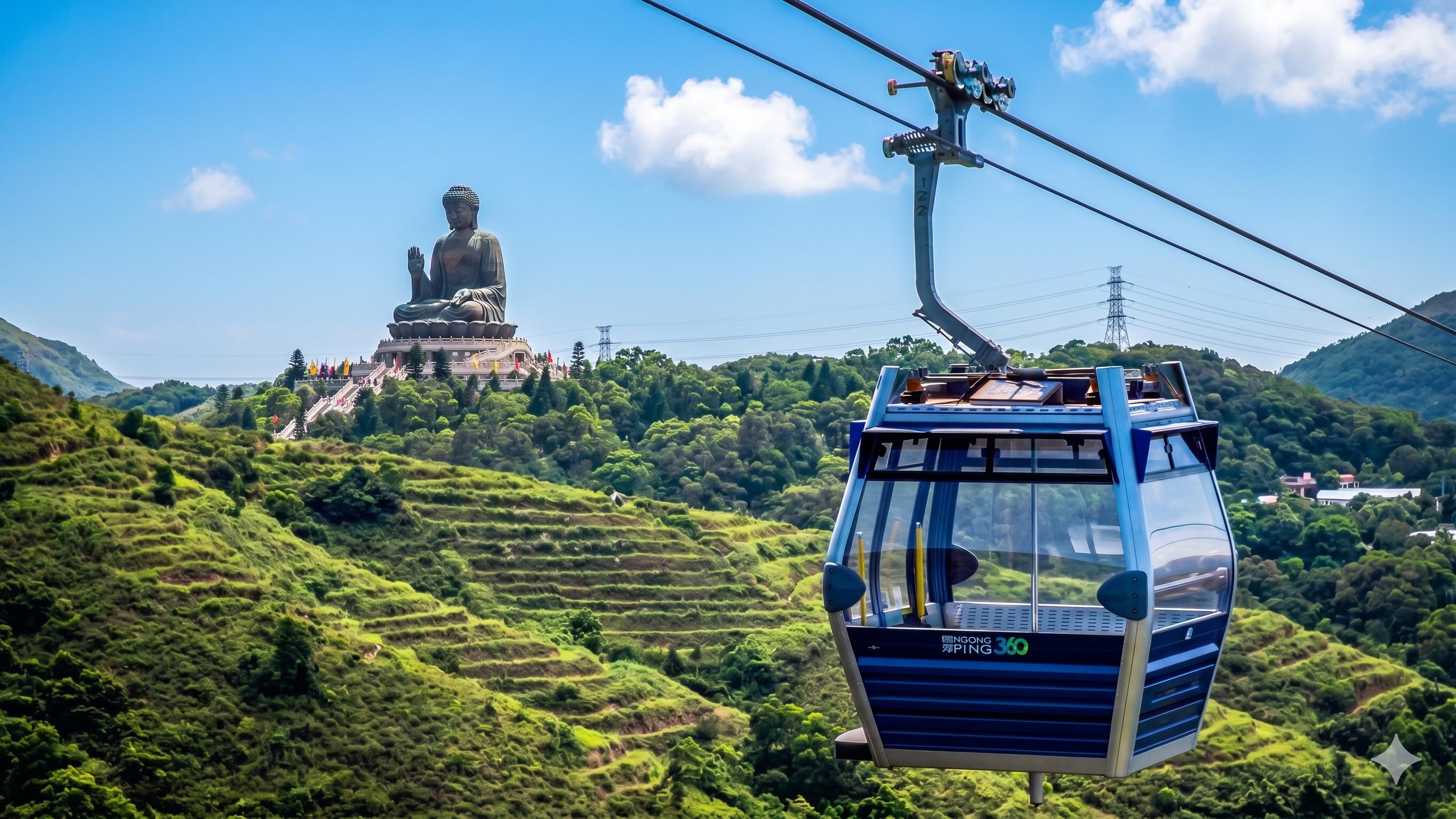
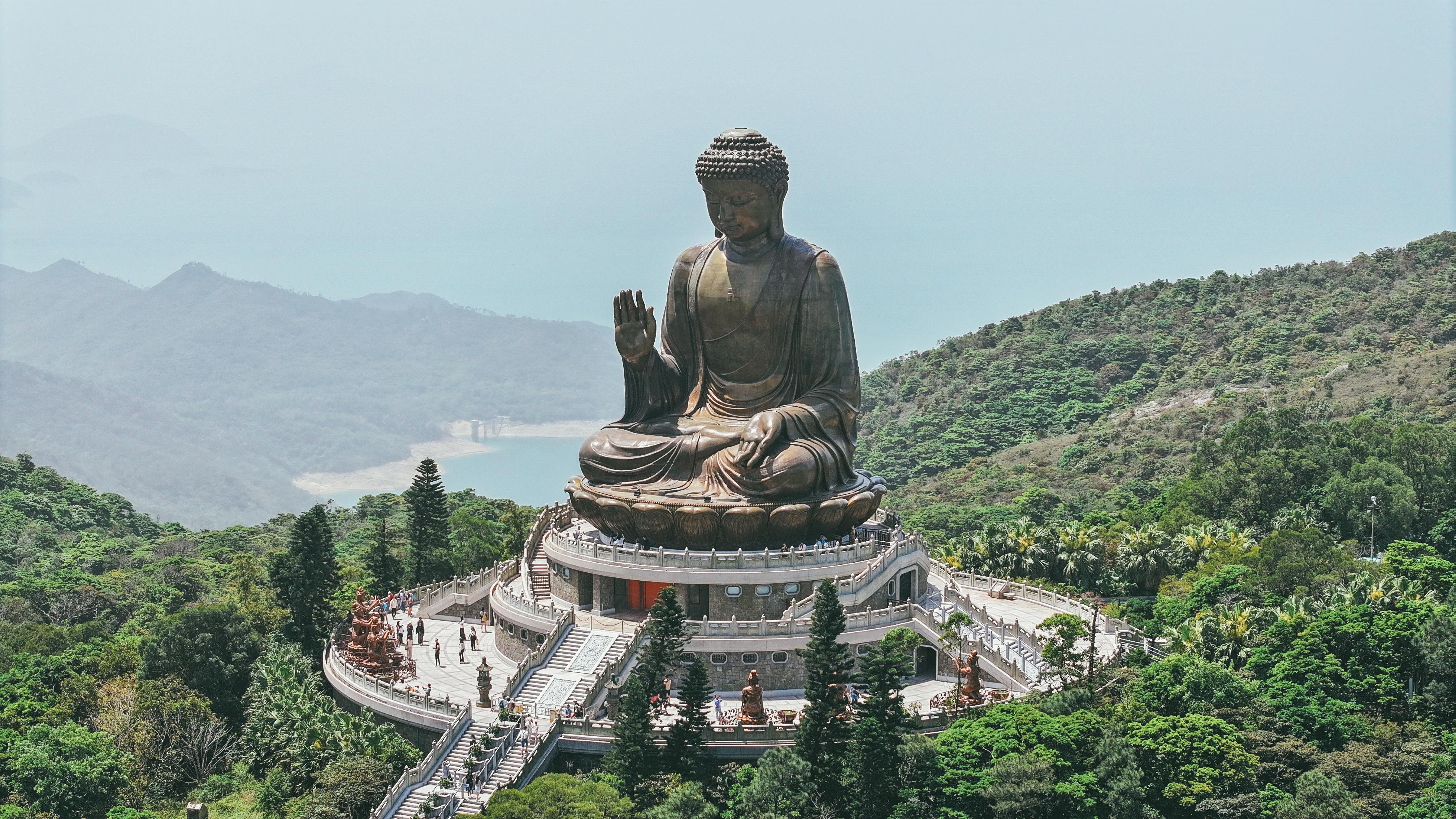
Lantau Island Discovery: Cable Car, Giant Buddha & Tai O Village
|
6 hr | ★ 4.8 | — | ✓ | ✓ | ✓ | €61 | Book → |
|
Luxury / Private
Lantau Island VIP Experience: Big Buddha, Cable Car & Tai O Village
|
7 hr | ★ 4.5 | — | ✓ | ✓ | ✓ | €87 | Book → |
|
Luxury / Private
Lantau Island Discovery: Big Buddha, Tai O Village & Private Coach
|
5 hr | ★ 4.8 | ✓ | — | ✓ | ✓ | €40 | Book → |
Hand-picked experiences loved by thousands of travelers
6 hours
Free Cancellation
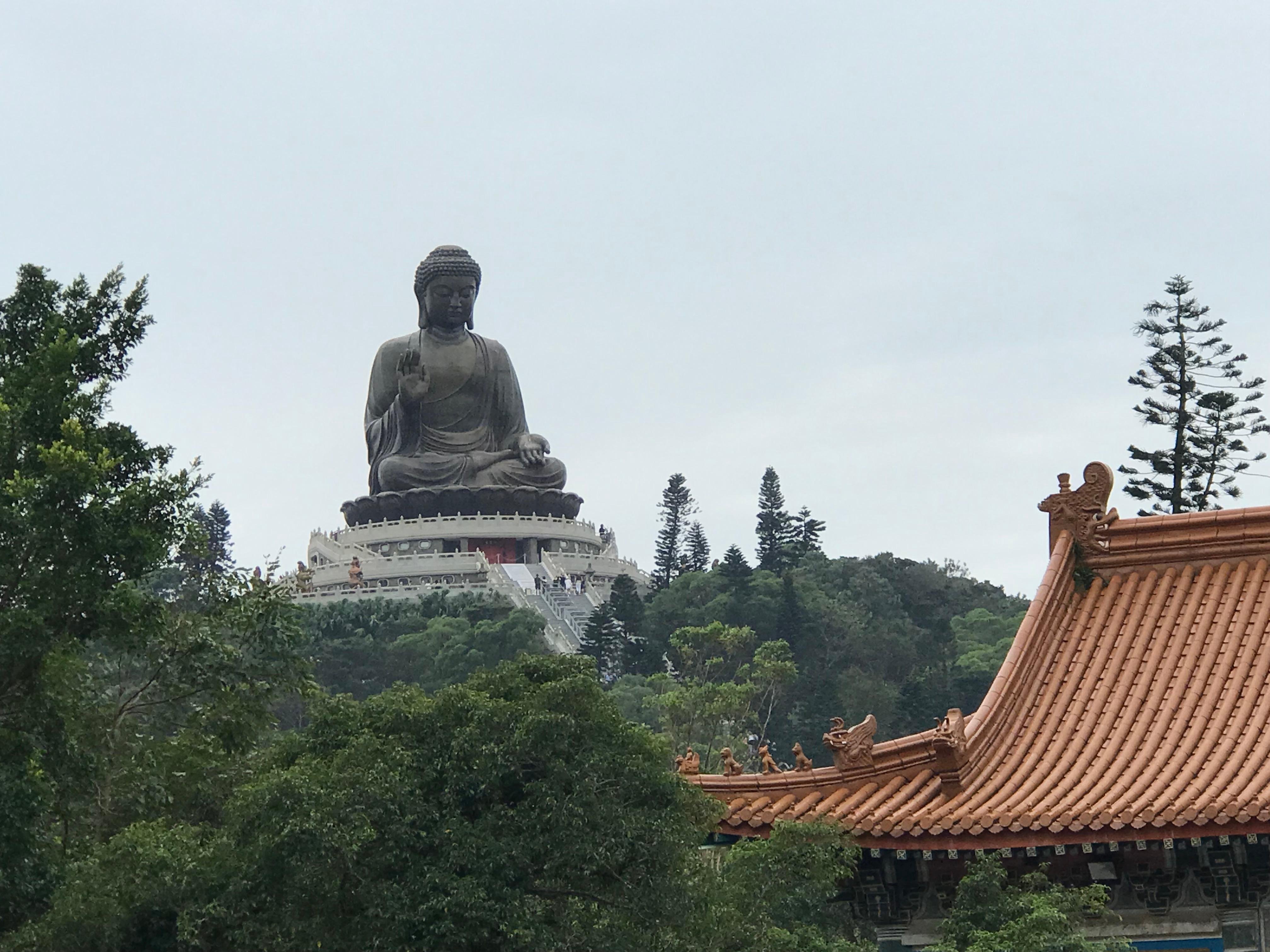
Half-day guided adventure featuring express cable car access, iconic Buddha statue, and monastery visit
7-8 hours
Free Cancellation
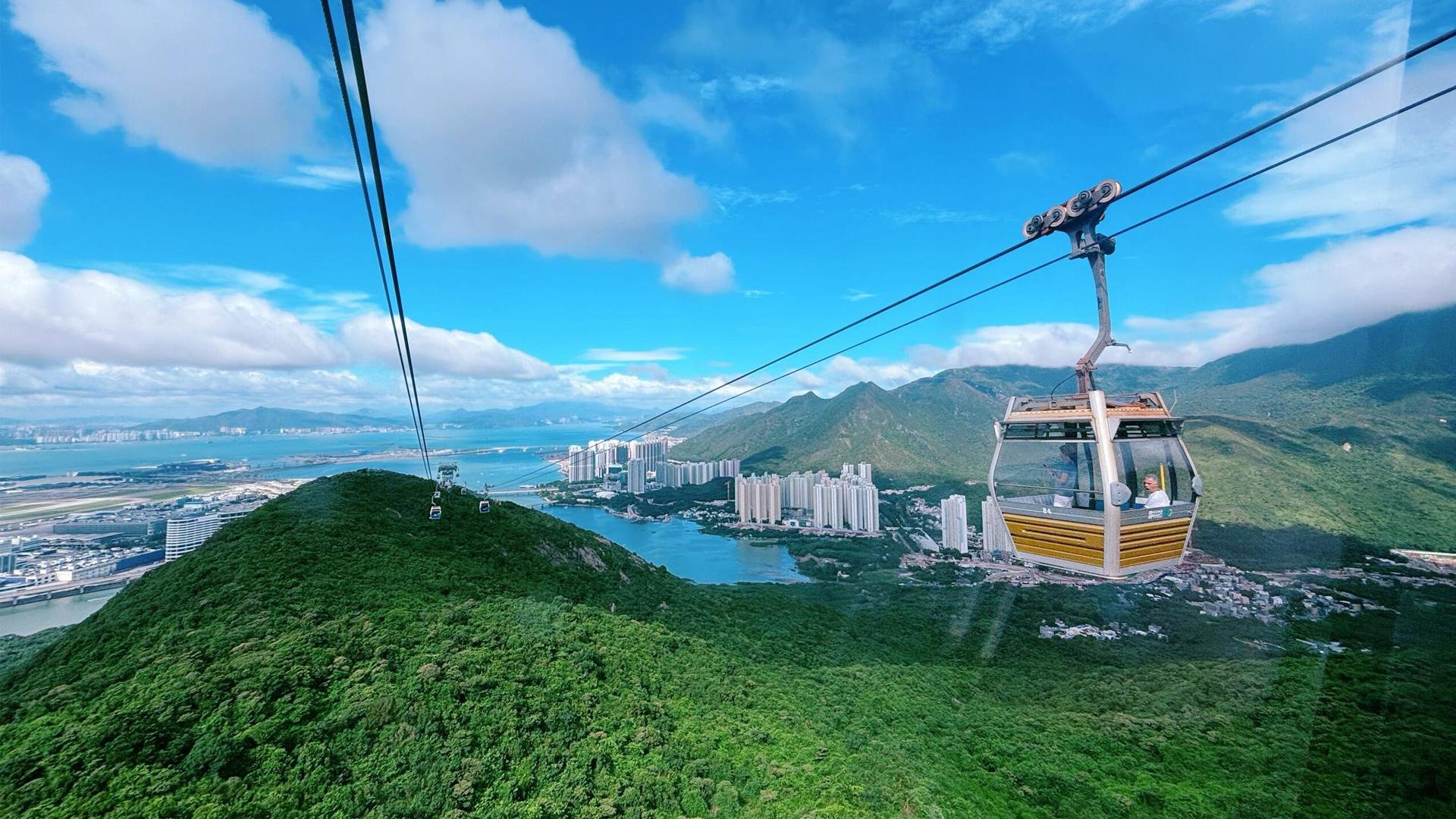
Soar above Hong Kong's landscapes on a scenic cable car, visit the iconic Big Buddha, and cruise through a traditional stilt village.
5 hours
Free Cancellation
Afternoon escape to Lantau's highlights with cable car priority access, monastery visit, and fishing village charm
8 hours
Free Cancellation
Soar above the sea by cable car, meet the Big Buddha, and discover a traditional stilt village
7 hours
Free Cancellation
Discover Buddhist heritage, ride a crystal cable car, cruise Tai O's stilt houses, and savor monastery cuisine
20 minutes
Free Cancellation
Discover Hong Kong's historic fishing village on a scenic 20-minute cruise through tidal channels
6 hours
Free Cancellation
Escape to Lantau's natural beauty with cable car rides, cultural landmarks, and a traditional fishing village
7 hours
Free Cancellation
Explore Hong Kong's spiritual heart with crystal cabin rides, monastery lunch, and fishing village boat tour
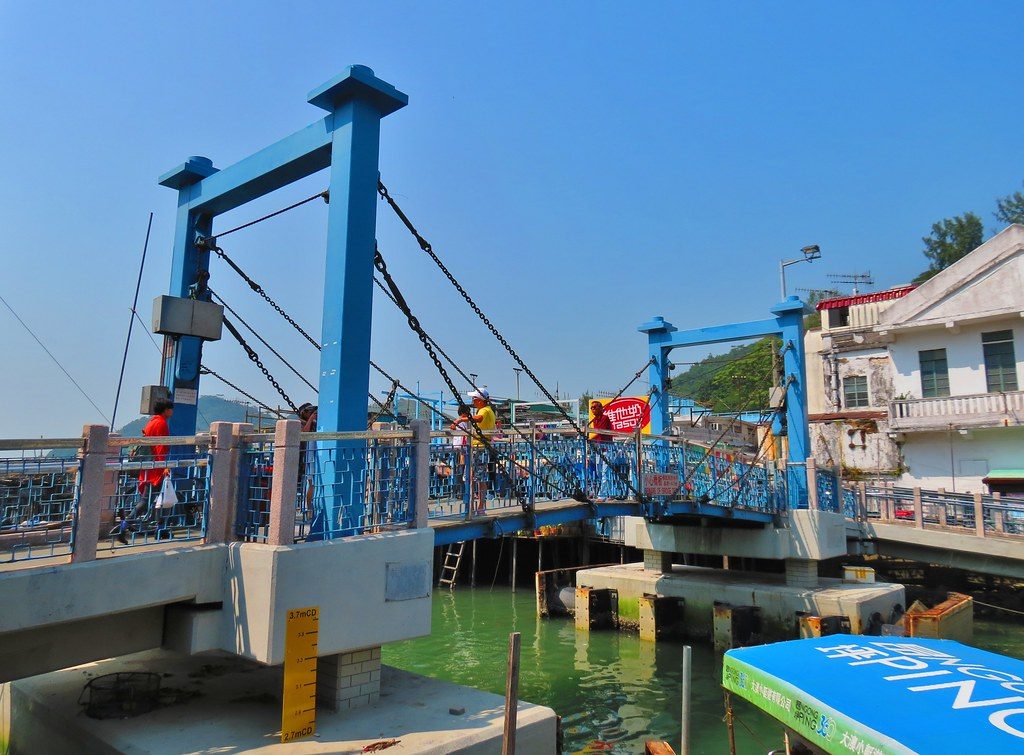
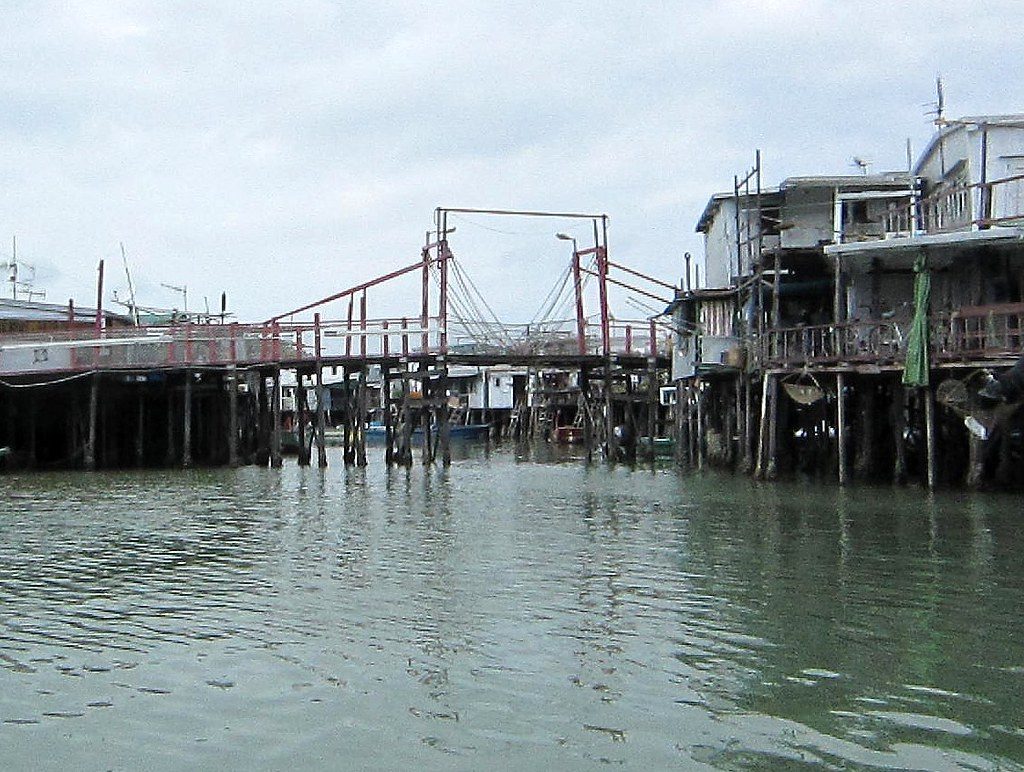
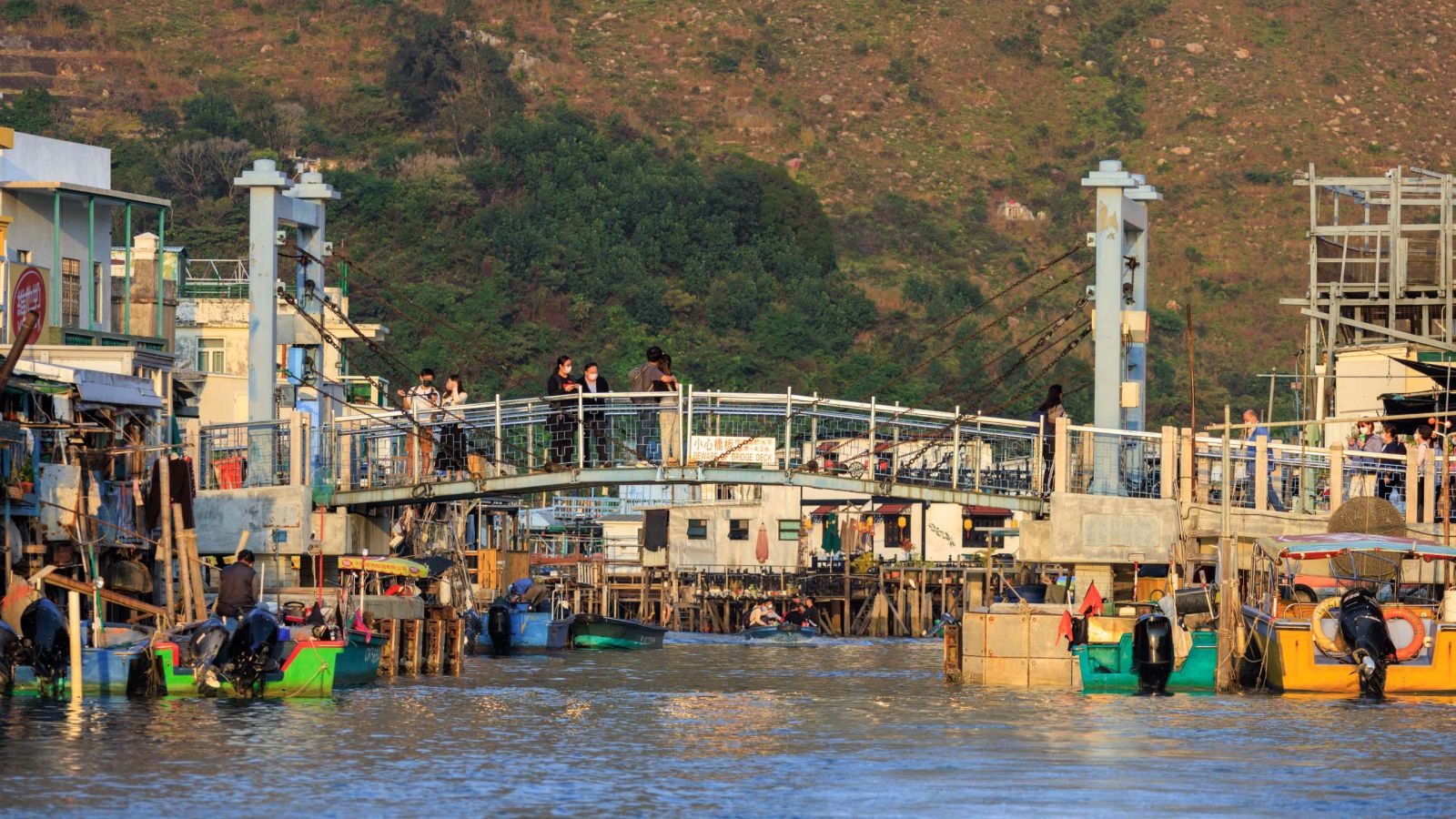
This iron drawbridge serves as the main crossing between the two sides of the village. It replaced an old rope-drawn ferry that operated for over 85 years.
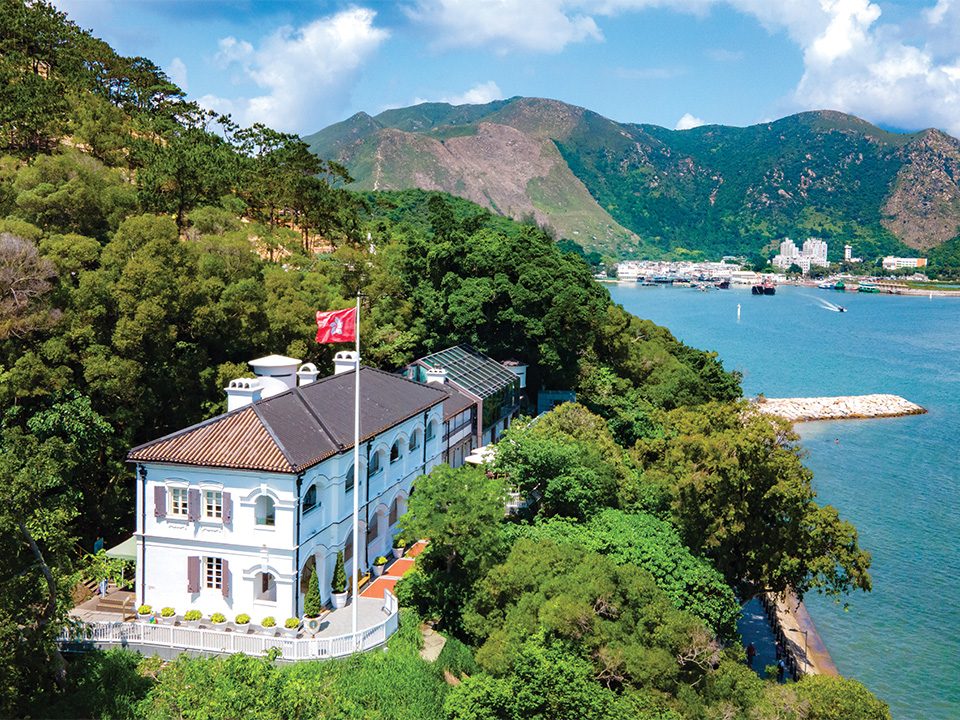
This site is a converted former police station that offers historical insight into the region. It retains colonial architecture and provides views over the coastal waters.
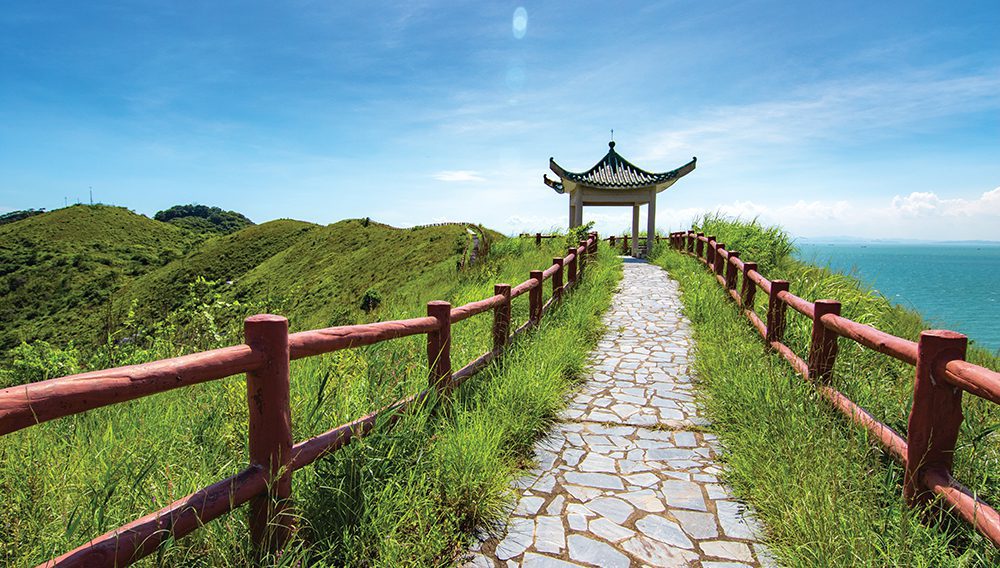
This viewpoint is accessible via a short hike and offers panoramic views of the Pearl River Estuary. It is one of the best locations for landscape photography.
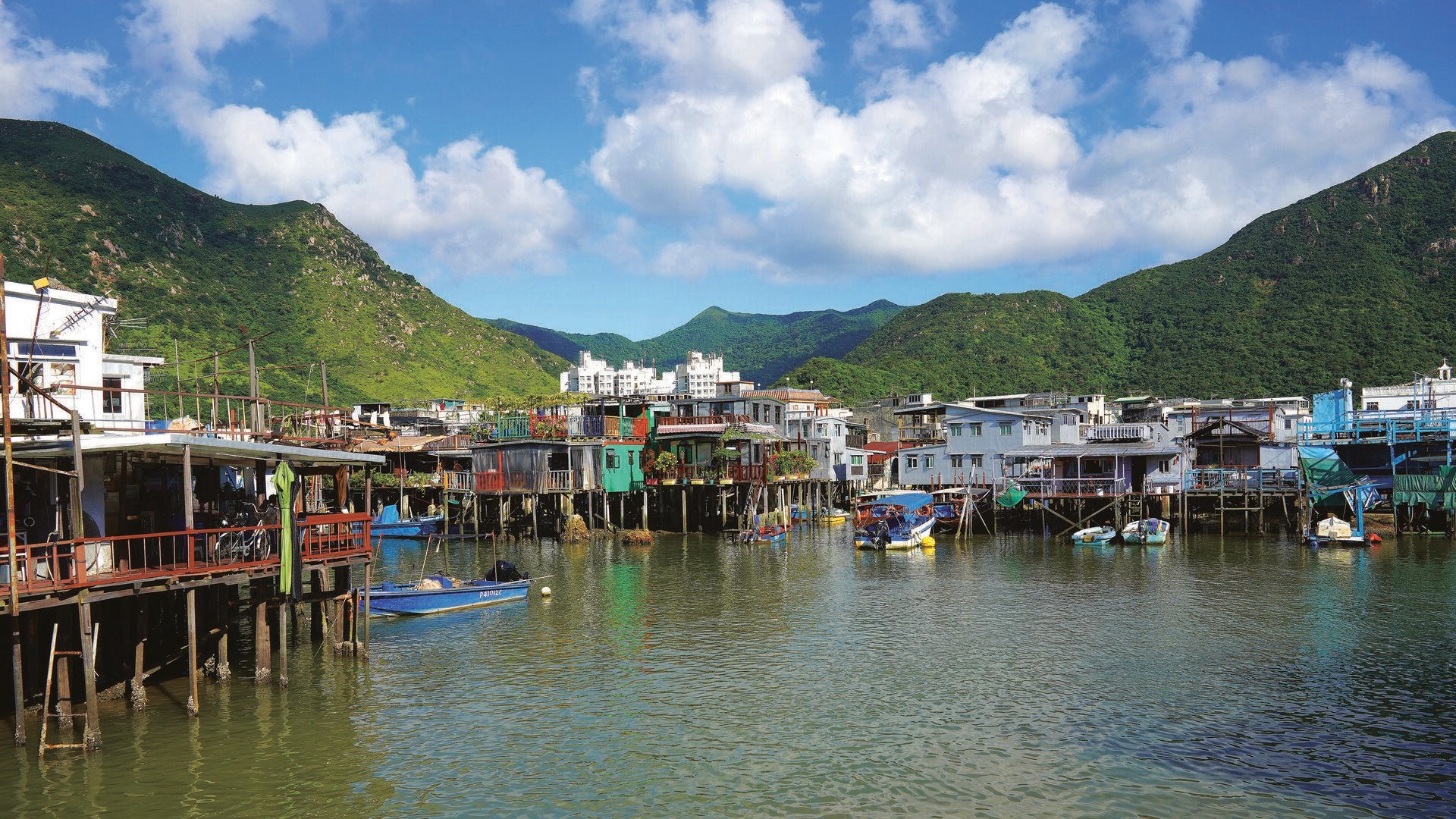
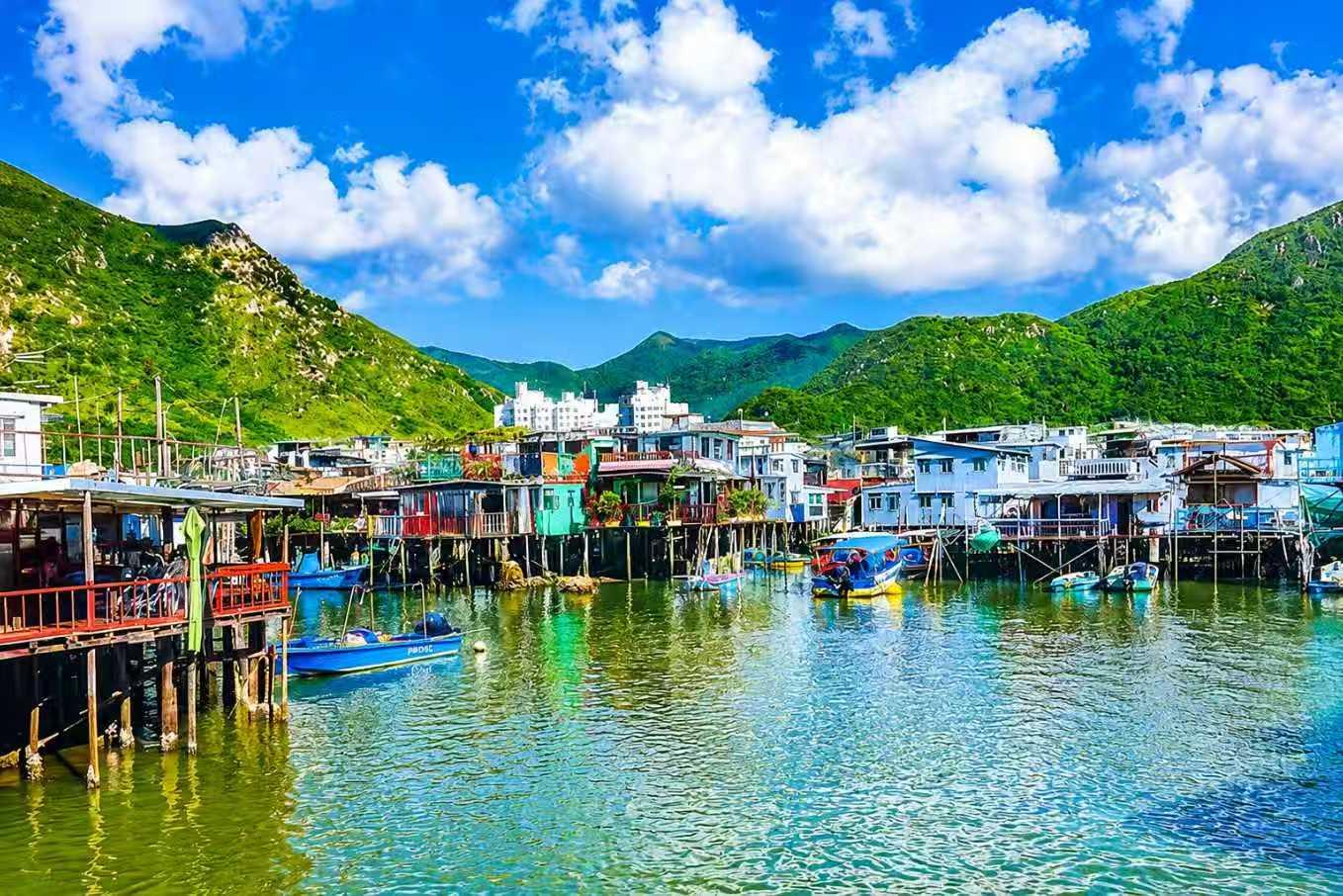
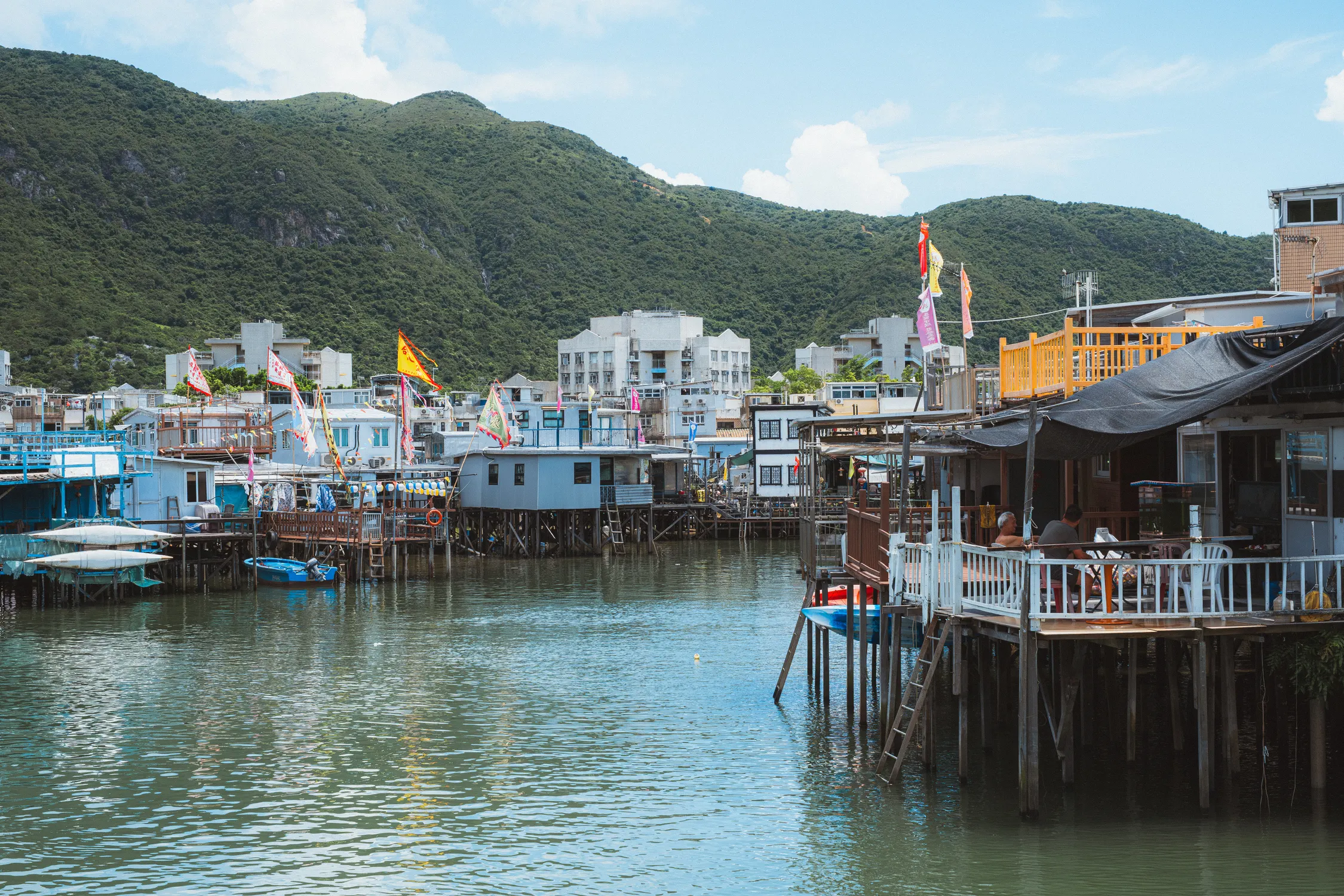
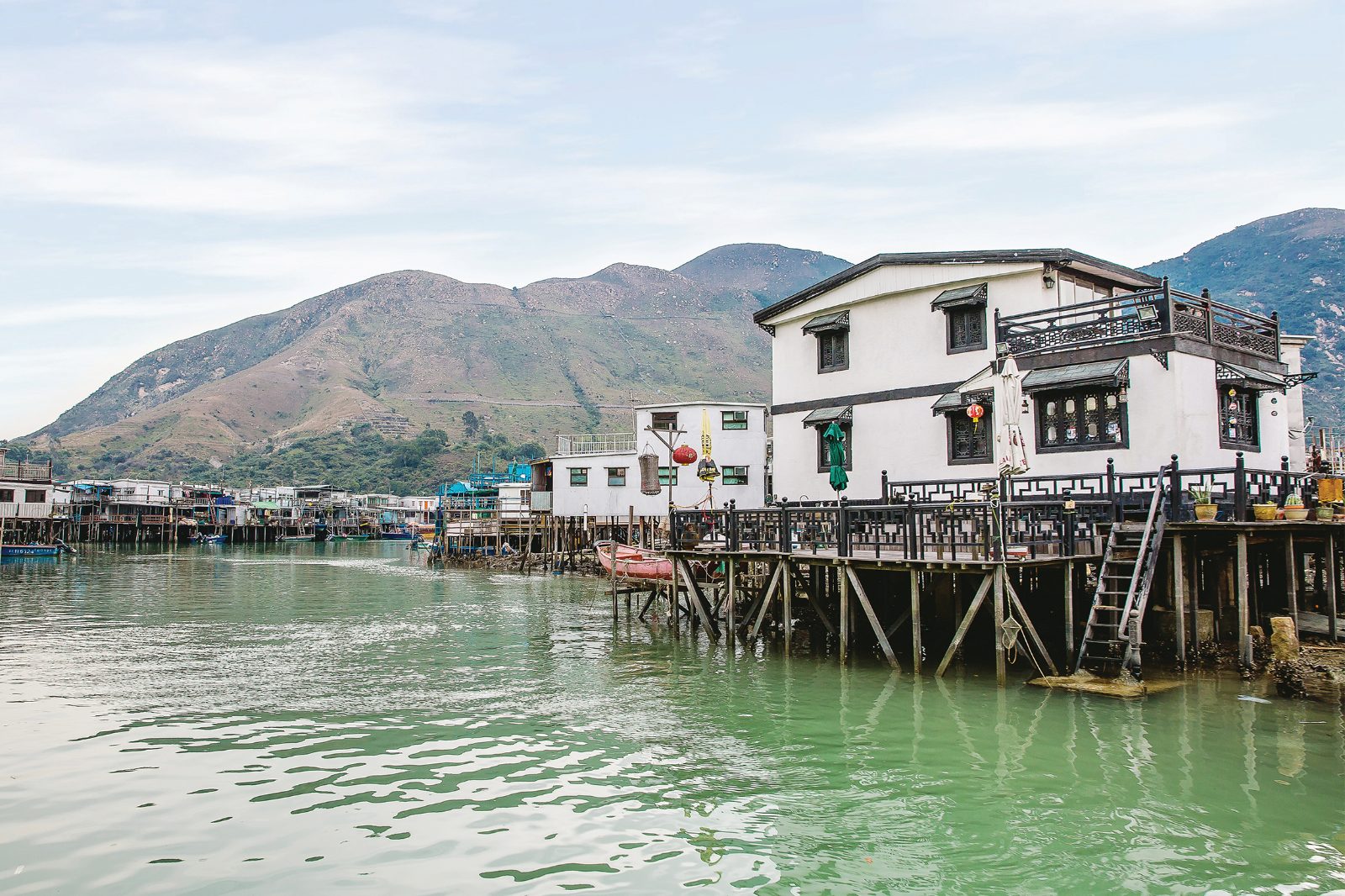
These unique pang uk structures are built over tidal flats by the Tanka people. They represent the traditional fishing lifestyle and are an iconic visual feature.
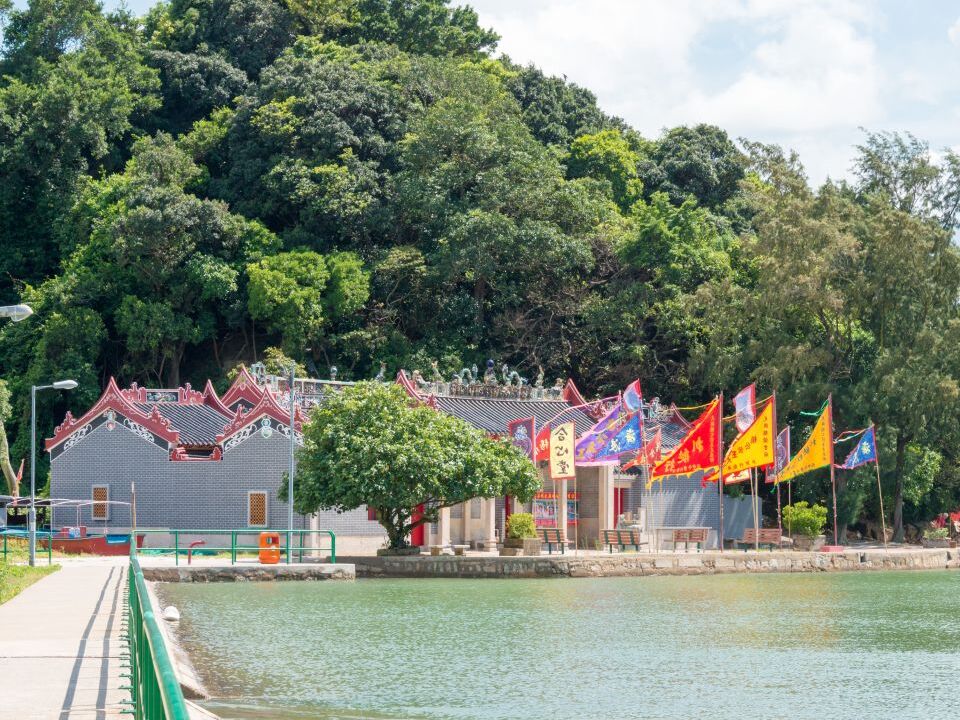
Built in 1699, this historic temple is dedicated to the deity Hau Wong. It is a significant cultural site reflecting the village's long heritage.
You arrive between 09:00 and 11:00, before the afternoon heat settles and before the weekend crowds thicken the lanes. The bus sets you down at the village entrance; the address is simply Tai O, Lantau Island, Hong Kong, and the village is open at all hours — 00:00 to 23:59, every day, with no gate and no ticket booth.
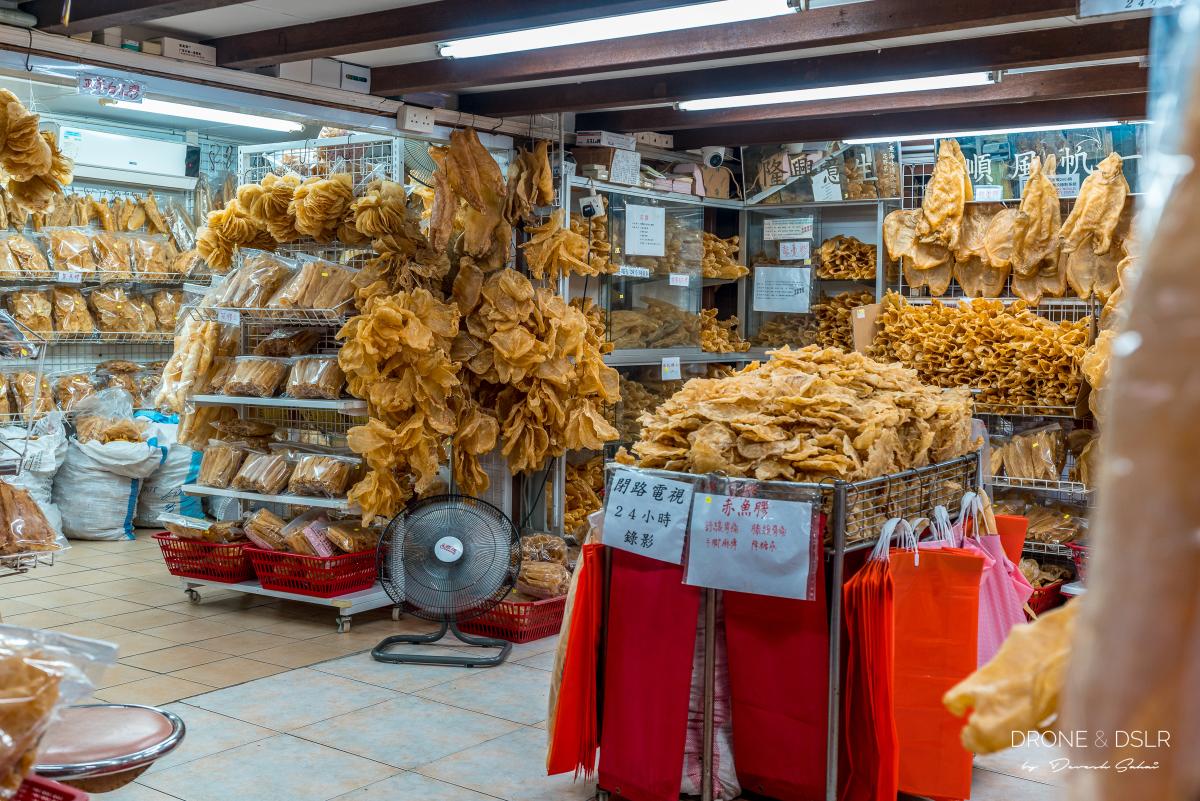
You walk in along Tai O Market Street. Dried scallops and salted fish hang at eye level. You cross the footbridge over the main channel, pause at the middle, and look both ways down the water at the pang uk on their timber legs. Then you turn left onto the plank walkways, where the boards flex slightly underfoot and the gaps show grey mud below.
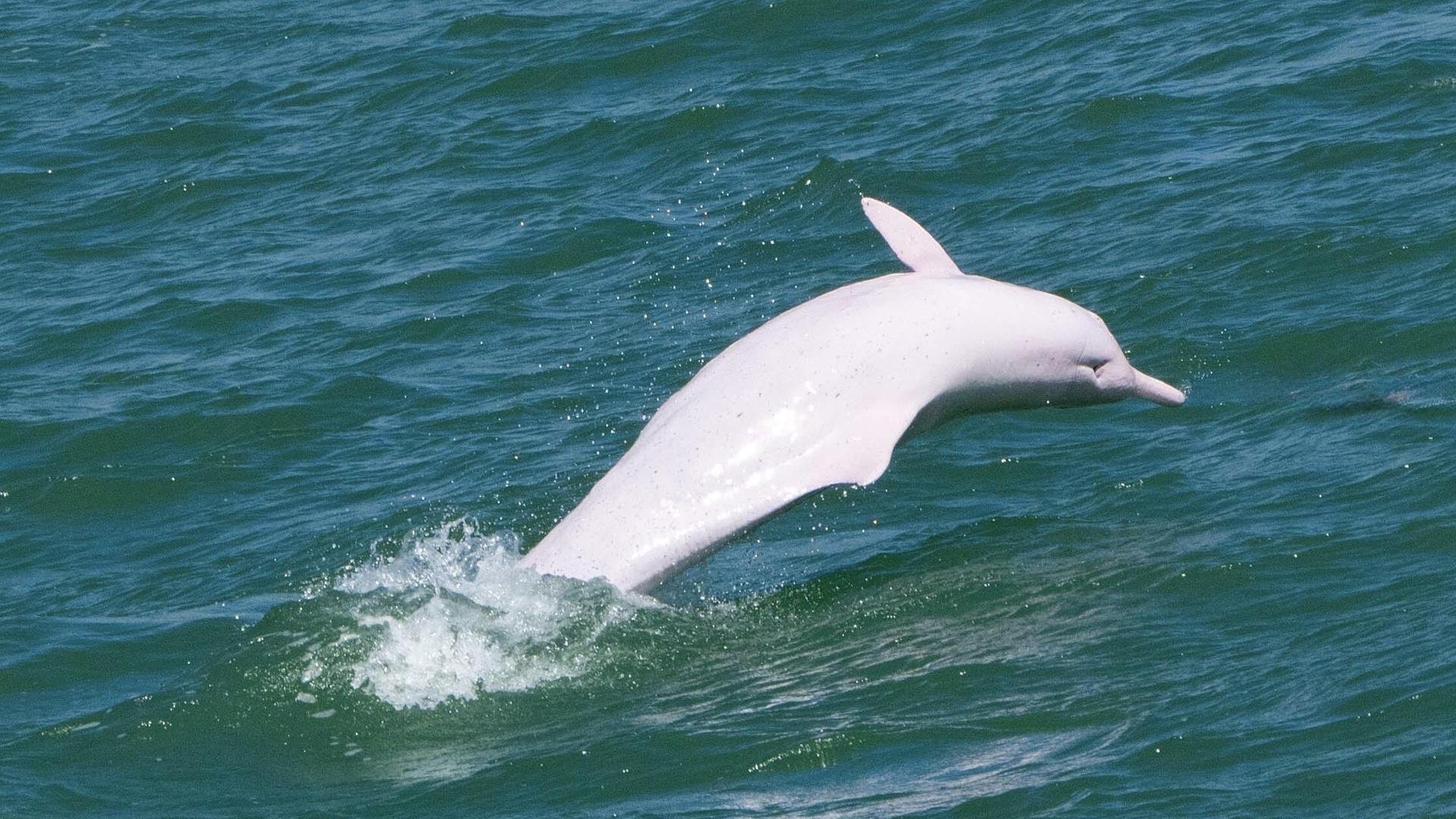
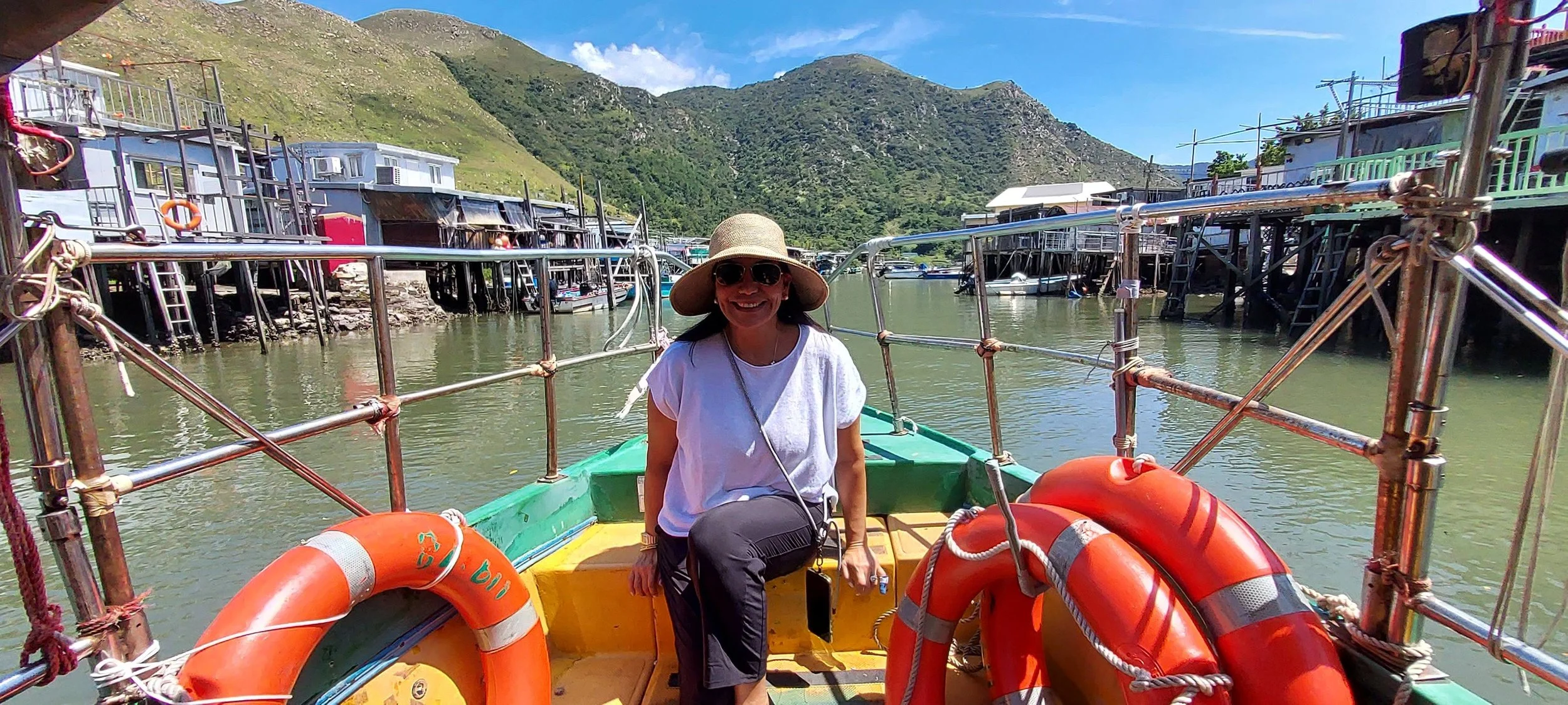
At the small pier you join a tai o fishing village boat tour — roughly twenty minutes, a low open craft, the engine loud enough that nobody talks. You thread the creeks, pass under the stilts, then cut out into open water toward the dolphin grounds. Sometimes a white dorsal fin breaks the surface. Often it does not.
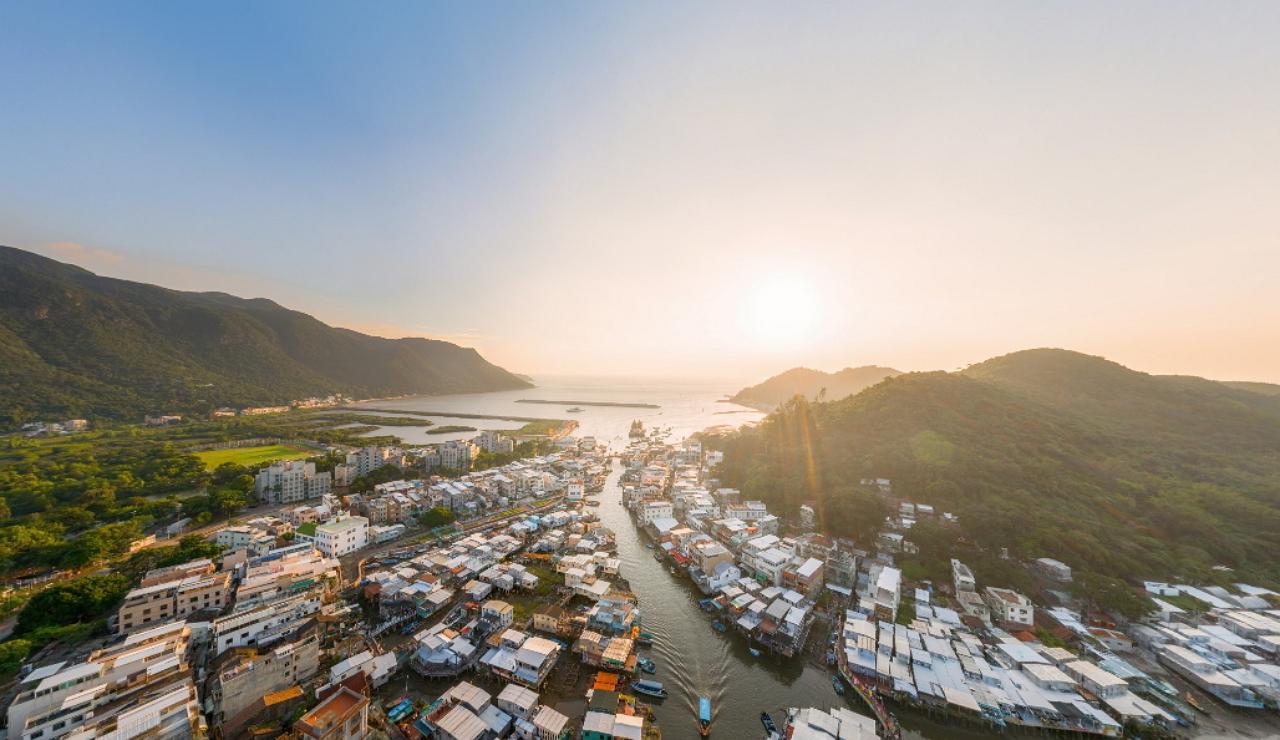
Back ashore, you climb the short path to the Tai O Heritage Hotel and stand on the terrace. From there the whole village reads as one shape: a grid of roofs over water, hills behind, the sea ahead. Most visitors finish a tai o village tour here, then walk back down as the light hardens.
All the details about your upcoming adventure in one place
A tai o village tour walks you through the narrow lanes of a Tanka fishing settlement where pang uk stilt houses stand on timber legs above the tidal creek, and shrimp paste still dries in the open air along the waterfront. Guided 大澳漁村導覽 groups cross the Tai O footbridge, browse the dried seafood stalls, and board a sampan for a short run into the Pearl River estuary where Chinese white dolphins are sometimes sighted. Most tai o village tour tickets bundle the sampan ride with round-trip transfer from Tung Chung, and many pair the stop with the Ngong Ping cable car for a fuller Lantau Island day.
Tai O's houses do not sit on the shore. They stand above it, on stilts driven into tidal mud, arranged along channels that residents once navigated by rope-drawn ferry rather than by road.
The settlement occupies the northwestern tip of Lantau Island, where a river mouth splits into creeks and the South China Sea begins.
The village belongs to the Tanka, a boat-dwelling people who moved from sampans to pang uk — stilt dwellings of timber and corrugated iron, linked by narrow plank walkways. Salt production sustained the community for centuries; the Tang-era salt fields were among the most productive in the region before shrimp paste and salted fish became the local economy. A fire in 2000 destroyed roughly ninety homes, and the rebuilt structures now sit alongside originals, a visible seam in the architecture. Any serious tai o village tour reads that seam closely.
What draws visitors in 2026 is not preservation for its own sake. It is that the village still works. Fishermen still dry catch on rooftop racks. Shrimp paste ferments in open vats along Kat Hing Street, an odour that arrives before the shopfronts do. The Tai O Heritage Hotel, converted from a 1902 marine police station, anchors the southern headland above the channel. Rope-pulled ferries have been replaced by a footbridge, but the Tanka boat operators remain, running short circuits through the waterways and out toward the open sea where Chinese white dolphins occasionally surface. Travellers asking whether Tai O is worth visiting usually find the answer in that twenty-minute run — a tai o village boat tour costs a few dollars and shows the stilt village from the angle it was built to be seen from.
The question of how to get to Tai O village has a fixed answer: bus 11 from Tung Chung, or the ferry from Tuen Mun, then on foot. Entry to the village itself is free — 0 HKD — because Tai O is a public residential area, not a ticketed site, and streets remain private thresholds for the families living there. Guided tai o fishing village tour options exist for context: mangrove ecology, salt-pan remains, the Kwan Tai Temple of 1741, the Yeung Hau Temple further west. Photographers come for the low tide, when the pilings stand fully exposed. A tai o village tour rewards attention paid to ordinary things.

The village still works: fishermen dry catch on rooftop racks, and shrimp paste ferments in open vats along Kat Hing Street.
Dress comfortably for walking and outdoor exploration. Modest attire is recommended when visiting local temples within the village.
No formal security checkpoints exist in this residential area. Please keep your personal belongings secure while navigating the narrow pedestrian walkways.
Photography is encouraged for capturing the stilt house architecture. Please respect the privacy of residents living in these private homes.
The village is family-friendly, though parents should supervise children closely near the water edges. It is a great place to introduce cultural heritage to kids.
The village layout features narrow bridges and boardwalks that may be challenging for wheelchair users. Many areas are not fully barrier-free.
Various local street snacks and seafood are sold throughout the village. Avoid bringing large coolers, as pathways are very narrow and crowded.
Opening Hours
00:00–23:59
Address
Tai O, Lantau Island, Hong Kong
Accessibility
Varies; some narrow, uneven boardwalks
Arrival
09:00–11:00
Luggage
No public storage facilities available
Navigation
Pedestrian-friendly village trails
The tai o village tour is a free-entry public residential area. Individual boat operators may have their own cancellation terms for any paid boat excursion.
Recommended time
3-4 hours
A well-paced tai o village tour allows enough time to wander the stilt houses and experience a boat excursion to see the marine life. Arriving within the 09:00–11:00 window helps you explore the narrow corridors and traditional heritage before the afternoon peak. While you do not need tai o village tour tickets for entry, popular local snacks often have queues, so consider adjusting your schedule to avoid midday congestion. Those seeking a relaxed Lantau Island trip should allocate more time for photography near the waterway.
Crowd levels through the day
Tai O's story begins with the Tanka, the boat-dwelling people of the Pearl River Delta. Records place Tanka households in Lantau's western creeks by the Ming period, when salt production became the settlement's economic spine. Imperial administrators taxed those salt pans. In 1197, a salt smugglers' revolt at Tai O was suppressed by Southern Song forces, an episode still cited in local histories. The Hakka and Hoklo arrived later, but the waterways remained Tanka ground. The stilt houses — pang uk — record a century of adaptation. Traditional Tanka families lived aboard junks; as fleets grew and families settled, dwellings were raised on timber piles above the tidal creek, keeping boats moored directly beneath. Most surviving structures date from the postwar decades, when corrugated iron replaced palm thatch. Shrimp paste and salted fish sustained the economy through the 1950s, and any honest tai o village tour must acknowledge that this trade, not tourism, built the village. Fire has been the recurring threat: a blaze in July 2000 destroyed roughly ninety stilt homes, and the rebuilding debate that followed pitted concrete safety codes against timber tradition. Institutional change arrived unevenly. The Tai O Ferry Pier once carried the only reliable link to Tung Chung before road access improved. The old Tai O Police Station, completed in 1902 to counter piracy, was decommissioned in 2002 and reopened in 2012 as a nine-room heritage hotel — a conversion that won a UNESCO Asia-Pacific award. The 1996 drawbridge over Tai O Creek replaced a hand-pulled rope ferry operated for generations by village women. What survives is working, not curated. The Kwan Tai Temple dates to the fifteenth century; the Hau Wong Temple to 1699. Dragon boat water parades, inscribed as national intangible heritage in 2011, still carry deity statues through the channel each Tuen Ng. Visitors booking tai o village tour tickets encounter a lived settlement. Guided Lantau Island heritage walks and pink dolphin tai o village tour tours depart daily; a shorter tai o village tour tour covers the creek alone.
Southern Song troops suppress a salt smugglers' revolt centred on Tai O's imperial salt pans.
Kwan Tai Temple is established, becoming the settlement's principal place of worship.
Hau Wong Temple is built on the creek's northern bank, later gaining protected status.
The colonial Tai O Police Station opens to suppress piracy along the western Lantau coast.
Shrimp paste and salted fish production peak, supporting a population of several thousand.
A drawbridge replaces the hand-pulled rope ferry that women of the village had operated for generations.
A July fire destroys roughly ninety stilt houses, triggering a long dispute over timber versus concrete rebuilding.
The decommissioned police station reopens as a nine-room heritage hotel, later recognised by UNESCO Asia-Pacific.
Position yourself on the bridge for a wide-angle shot of the stilt houses rising above the mudflats. This spot provides the classic perspective of the Lantau Island fishing village dwellings.
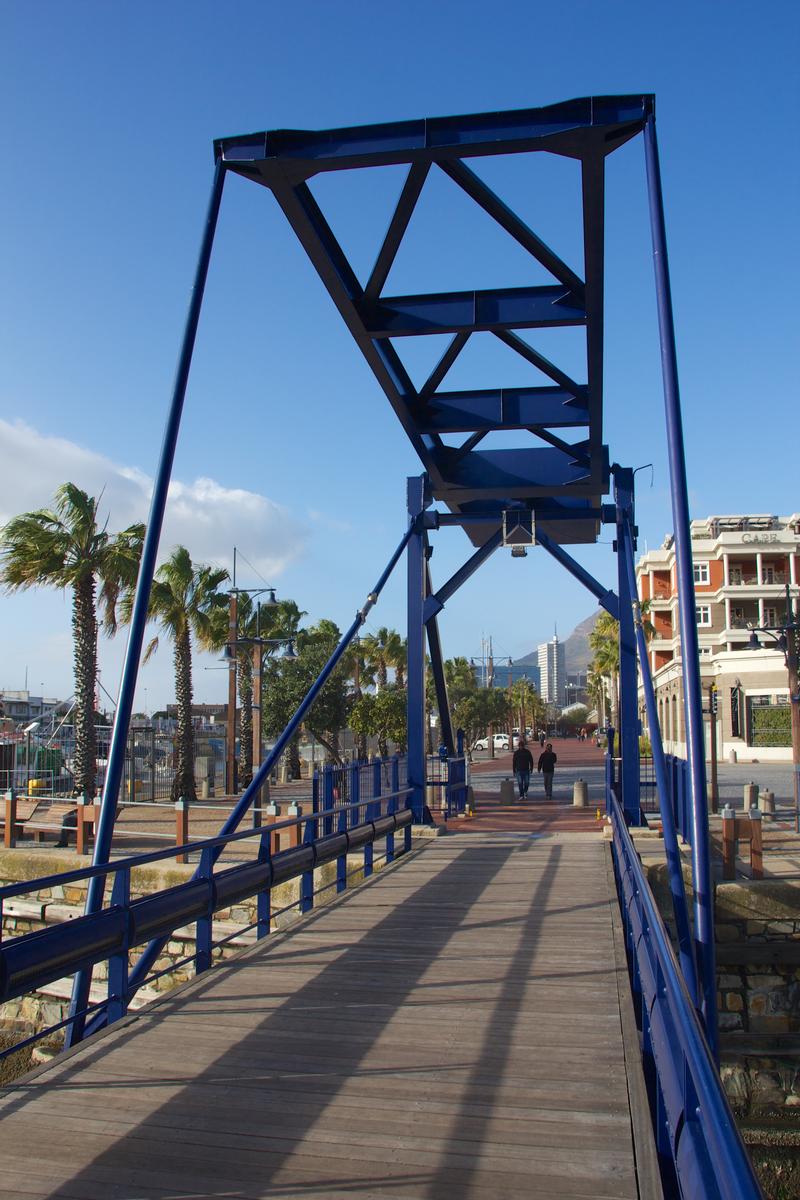
Capture the iron structure from the walkway level to emphasize its industrial contrast against the wooden structures. It is a key stop during your tai o village tour to frame the mechanical lift of the bridge.
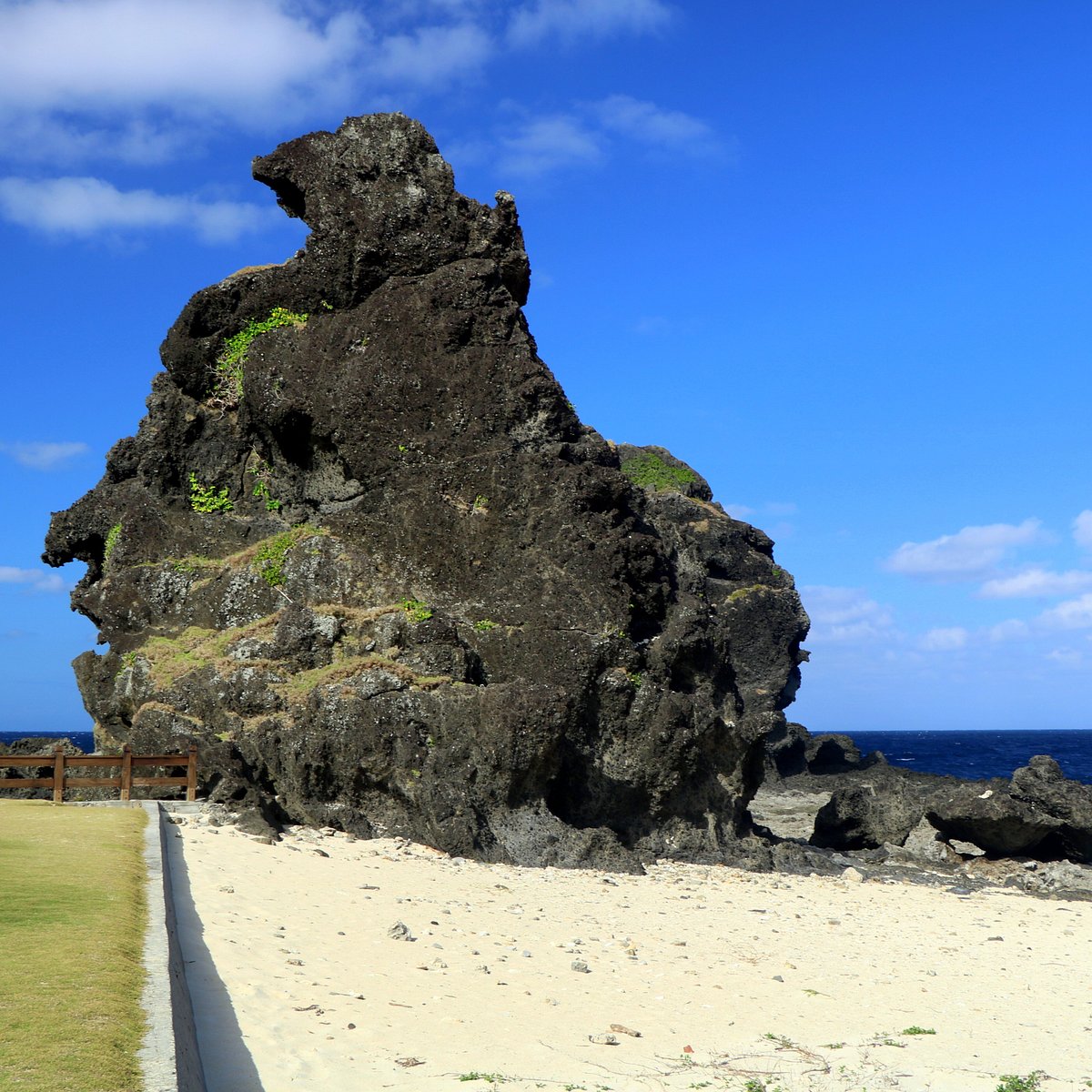
Follow the hiking path to locate this rock formation that offers an elevated vantage point over the village. It provides a unique top-down angle for those seeking diverse tai o village tour tours shots.
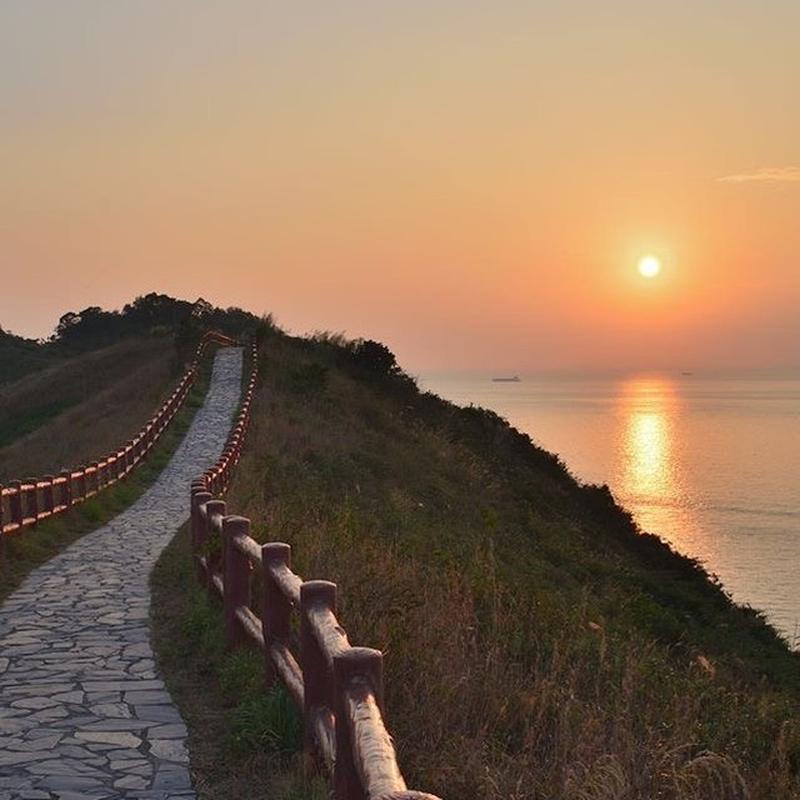
Climb the stairs to this pavilion for a panoramic look at the village layout and the South China Sea. This location is ideal for landscape photography regarding tai o village tour tour compositions.
Exploring the stilt houses and waterways is best complemented by sampling the authentic maritime cuisine found near a tai o village tour. Visitors often find local snacks and seafood delicacies throughout the narrow alleyways of this traditional Lantau Island settlement.
Located in a restored police station, this venue offers colonial charm and sea views. It serves as a sophisticated stop for those on their tai o village tour tours who want a quiet meal away from the bustle.
Famous for their traditional charcoal-grilled egg waffles, this shop is a staple for a quick snack. Expect a line during weekends, but the texture makes it a highlight for any tai o village tour tour participant.
This cozy spot is known for its coffee and locally-inspired cakes. It provides a relaxed environment for visitors needing a break from walking through the historic Tai O landmarks.
Situated along the water, this venue specializes in hand-drip coffee and light bites. It is an ideal location to use your tai o village tour tickets' worth of energy for a peaceful afternoon rest.
Real experiences from real travelers
We joined a morning tai o village tour and the tide was far out, so the pilings under the pang uk houses were fully exposed and covered in barnacles. The smell of shrimp paste from the open shopfronts is stronger than I expected, in a good way. Our guide pointed out which houses belonged to Tanka families going back generations.
The little boat ride out of the creek was the best part, maybe fifteen minutes but the swell picks up once you clear the channel. We did not see the pink dolphins, which the boatwoman had warned us about. Bring a hat because there is zero shade on the water.
Arrived early and Kat Hing Street was still half asleep, with racks of salted fish just being set out. Walking the tai o fishing village on foot is easy and mostly flat except the bridge. The old police station up the hill is worth the short climb for the view over the rooftops.
Summer humidity made the walk feel longer than it was, and the tin roofs radiate heat by midday. Still, this Lantau Island village tour showed us a side of Hong Kong that has nothing to do with skyscrapers. The tidal creek and mangrove edges were full of mudskippers.
The tai o village tour tickets were straightforward and nobody rushed us through the lanes. My kids liked the drawbridge and the stray cats sunning themselves on the walkways. The charcoal-grilled squid smell follows you the whole way.
Photographed the stilt village for close to an hour and never ran out of angles, especially where laundry lines cross between houses. The plank walkways are narrow so watch your step near the edges. Our guide explained the fire that destroyed part of the village and how it was rebuilt.
Went in December when the air was dry and the light stayed low all afternoon over the Pearl River estuary. A tai o village tour tour like this pairs naturally with the rest of Lantau, and the bus ride in along the coast road is scenic on its own. Fewer people about than I anticipated.
This is still a working village rather than a museum piece, with nets drying and boats being repaired along the bank. The tai o village tour we booked included a local guide who spoke Cantonese with the shopkeepers, which opened a few doors. Rubber-soled shoes help on the wet concrete near the water.
Went in late summer heat and the sampan breeze was the only relief all afternoon. Compared with other tai o village tour tours I read about, ours kept the group small, which mattered in the narrow lanes. The shrimp paste factory smell is unmistakable from a block away.
Low tide exposed wide mudflats where egrets were picking through the shallows just past the stilt homes. Walking a Tai O fishing village heritage route gave better context than wandering alone would have. The hillside path above the creek is short and gives a clean view of the whole settlement.
Everything you need to know for your journey
No, entrance to the village is 0 HKD. You do not need to purchase any tickets for the tai o village tour itself.
The village is a residential area open 24/7, making it flexible for any tai o village tour schedule.
Visitors typically spend 1–3 hours exploring the village area during a tai o village tour.
The tai o village tour is suitable for families, though caregivers should monitor children closely near the water.
We recommend a 09:00–11:00 arrival window for your tai o village tour to avoid heat and congestion.
Many boat operators offer rides for an additional fee during your tai o village tour.
There is no strict dress code, but modest clothing is recommended for temple visits during your tai o village tour.
The address for the tai o village tour is Tai O, Lantau Island, Hong Kong.
Take bus 11 from Tung Chung for your tai o village tour.
You may bring small personal bags, but avoid bulky luggage as space on the village boardwalks is limited during a tai o village tour.
Join thousands of happy travelers who have discovered this incredible experience
Book Your Experience Now